
The Physiological Cost of Keeping It Together
The Physiological Cost of Keeping It Together
There is a particular kind of exhaustion that founders rarely name.
Not burnout. Not stress. Something more precise — the cumulative physiological toll of performing stability when the internal state is anything but stable.
This newsletter goes underneath the surface. Because the body doesn't lie, even when you do.
What Actually Happens When You "Keep It Together"
When a threatening signal enters your awareness — a missed revenue target, an investor call that went cold, a key hire who just quit — your hypothalamus fires within milliseconds.
The HPA axis (hypothalamic-pituitary-adrenal) activates. Cortisol and adrenaline flood the bloodstream. Heart rate elevates. Glucose mobilizes. Inflammatory markers rise.
This is the threat response. It is ancient, automatic, and completely indifferent to context.
Here is what makes the founder's situation physiologically unique: the threat response fires — and then you walk into the all-hands meeting and smile.
You don't discharge the activation. You suppress it.
The prefrontal cortex steps in. It modulates emotional expression. It generates the composed voice, the steady eye contact, the "we're on track" narrative. Cognitive suppression is real neurological work — it consumes glucose, taxes working memory, and increases activity in the dorsolateral prefrontal cortex while simultaneously keeping the amygdala partially engaged.
You are running two systems at once. The fire is still burning. You've just closed the door.
The Cortisol Mask — How Long You Can Sustain It
Cortisol operates on a diurnal rhythm. Peak levels occur in the first 30–45 minutes after waking — the Cortisol Awakening Response (CAR) — then taper across the day. This is normal and necessary.
Under chronic stress, this curve flattens.
Morning peaks blunt. Evening levels stay elevated. The body loses its ability to complete the stress cycle. What was designed as a short-duration survival mechanism becomes a standing biochemical state.
Research on chronically stressed executives and caregivers — two populations with structurally similar demands to founders — consistently shows:
Elevated basal cortisol flattening the natural diurnal curve
HRV (heart rate variability) suppression — the autonomic nervous system loses flexibility
Hippocampal volume reduction with prolonged exposure — directly impairing memory consolidation and decision-making precision
Immune dysregulation — the very cortisol meant to suppress short-term inflammation begins to lose its anti-inflammatory efficacy, creating a paradoxical pro-inflammatory state
The mask is sustainable for months. Sometimes years, in high-functioning individuals with strong compensatory capacity. But the body keeps the score with compounding interest.
The longer the suppression, the steeper the eventual cost.
What the Body Does When the Mask Finally Drops
The moment of relief — the round closes, the crisis passes, the vacation finally begins — is often when the system collapses.
This is not weakness. It is physiology.
When the suppressive effort of the prefrontal cortex finally relaxes, the accumulated autonomic activation has nowhere left to hide. The nervous system, no longer required to perform, begins to process what it has been holding.
This manifests differently by individual:
Immune crashes — illness arriving precisely when the pressure lifts (post-project flu is well-documented in psychoneuroimmunology literature)
Emotional flooding — disproportionate responses to minor stimuli, because the amygdala has been running hot for months
Somatic symptoms — gastrointestinal disruption, skin flare-ups, musculoskeletal pain; the body expressing what the mind suppressed
Anhedonia and flatness — the dopaminergic reward circuitry, chronically hijacked by threat-response neurochemistry, struggles to register pleasure from things that previously worked
The body is not breaking down. It is completing a stress cycle that was never allowed to finish.
The problem is that most founders interpret this as failure — and immediately reach for the next project to suppress the signal again.
One Practical Tool to Release It Daily
The research points clearly to one intervention that is both mechanistically sound and practically executable inside a demanding schedule.
Physiological sigh — extended exhale protocol.
Developed and clinically studied by Andrew Huberman's lab at Stanford, the physiological sigh is the fastest known method for reducing acute physiological arousal.
The mechanism: a double inhale through the nose (re-inflating collapsed alveoli in the lungs) followed by a long, slow exhale through the mouth. The extended exhale activates the parasympathetic branch of the autonomic nervous system by stimulating the vagus nerve, slowing heart rate and signaling to the HPA axis that the threat has passed.
The protocol:
Double inhale through the nose — two sharp sniffs, filling the lungs completely
Extended exhale through the mouth — slow, twice the duration of the inhale
Repeat 1–3 cycles
When to use it: Not as a meditation practice. As a transition ritual — before walking into a high-stakes meeting, immediately after ending a difficult call, at the threshold between work and home.
The goal is not relaxation. The goal is completing the stress cycle before the suppressed state accumulates further.
Two minutes. Zero equipment. Immediate measurable effect on HRV.
This is not wellness advice. It is nervous system hygiene — the physiological equivalent of closing applications running in the background before your operating system crashes.
The Honest Summary
Keeping it together is not free. The body charges for every performance of composure that doesn't match the internal state.
The question is not whether to pay — leadership requires it. The question is whether you are managing the account actively, or waiting for the overdraft.
Your organization needs your cognitive capacity, your decision quality, and your emotional range. None of those are available in unlimited supply when the HPA axis has been running on override for eighteen months.
Treat your nervous system like infrastructure. Because it is.
If this landed, forward it to a founder who looks like they're holding it together a little too well.
— Mathias
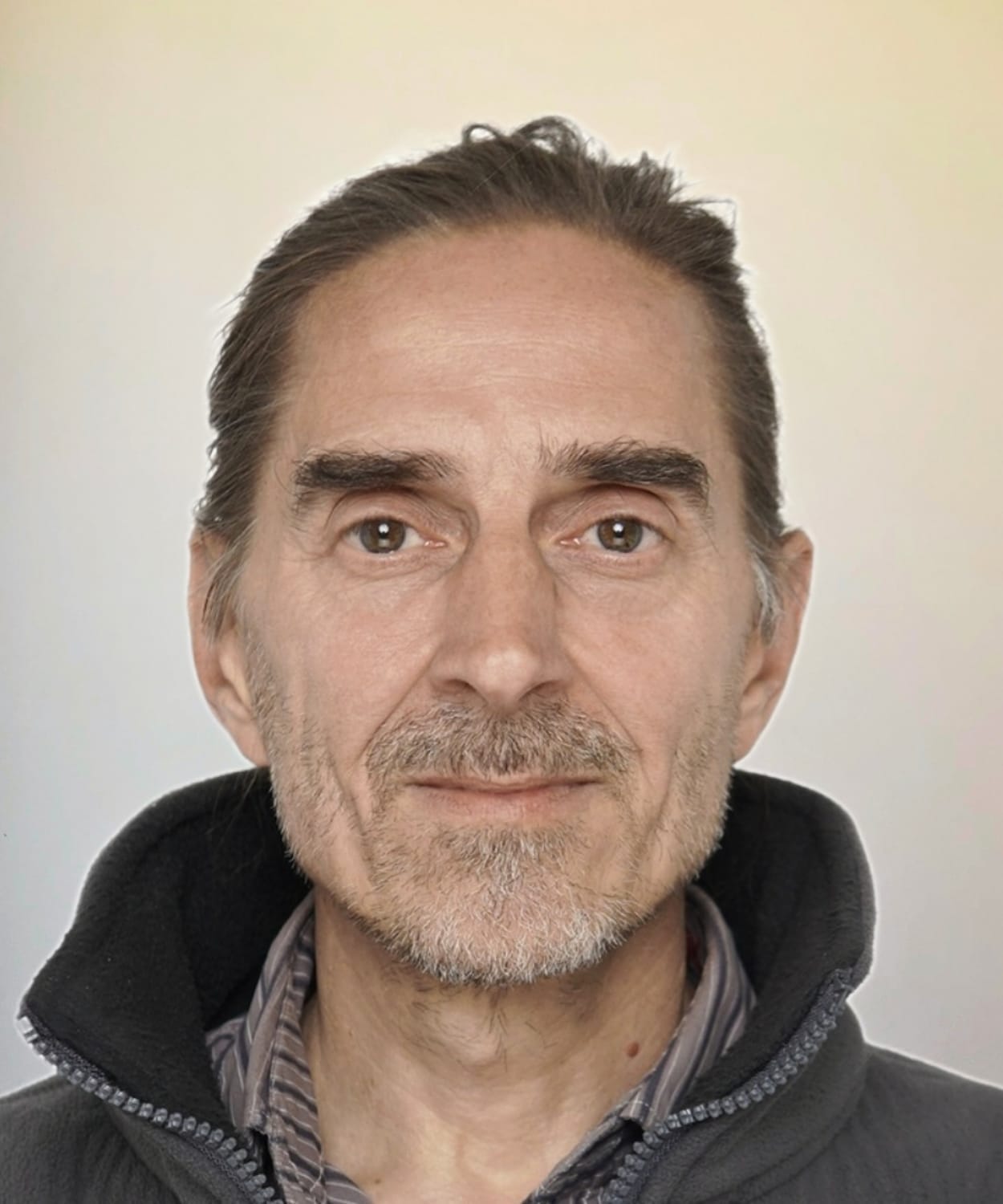
Mathias
Healers, TCM Expert, Qigong Teacher, Breathwork and LifeCoaches. In my whole life, I have been looking for the deep meaning of life and how to experience the True Self in life.
Join my Newsletter
Vital Ease
Founder Biological Performance Systems — Classical Chinese Medicine + Clinical Blood Diagnostics.



Stay Connected
The Vital Ease Edit — Weekly forensic insights on founder biological performance. Published every Saturday."
No spam. Weekly forensic insights on founder biological performance.